
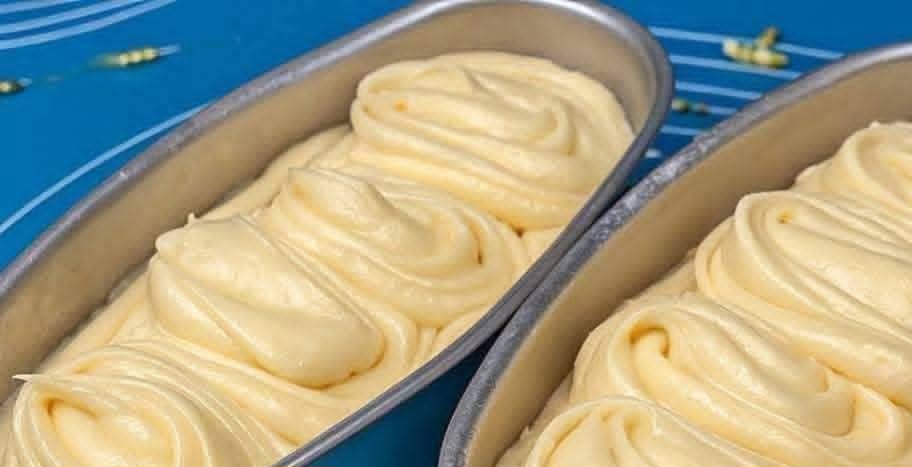
Certainly! Below is a clear, well-structured guide for Puff Pastry, written without wide lines or separators and organized exactly as you requested.
Introduction
Puff pastry is a light, flaky dough known for its delicate layers and rich buttery flavor. When baked, it rises dramatically, creating a crisp exterior and airy interior. Valued for both sweet and savory preparations, puff pastry is a cornerstone of classic and modern baking alike.
Origin
Puff pastry is believed to have originated in France during the 17th century, with its development often attributed to French pastry traditions. While laminated doughs existed earlier in Europe, French bakers refined the technique of layering butter and dough to create the iconic rise and flakiness seen today.
Cultural Significance
Puff pastry holds an important place in European culinary heritage, especially in French patisserie. It forms the base of celebrated dishes such as croissants, mille-feuille, vol-au-vents, and beef Wellington. Its versatility has helped it spread globally, becoming a symbol of refined baking and culinary craftsmanship.
Ingredients Quantity
All-purpose flour – 500 g
Unsalted butter, cold – 375 g
Cold water – 250 ml
Salt – 1 teaspoon
Optional Additions
A teaspoon of lemon juice or vinegar for dough elasticity
Sugar for sweet pastry variations
Egg wash for a glossy finish
Herbs or spices for savory pastries
Tips for Success
Keep all ingredients cold to preserve layers
Handle the dough gently and avoid overworking
Chill the dough between folds
Roll evenly to maintain consistent thickness
Bake in a hot oven for maximum rise
Instructions
- Mix flour and salt in a bowl. Gradually add cold water to form a soft dough.
- Knead lightly, shape into a rectangle, wrap, and chill for 30 minutes.
- Flatten butter between parchment into a thin rectangle and chill.
- Roll dough and encase the butter completely.
- Roll out and fold into thirds, then chill for 20–30 minutes.
- Repeat rolling and folding five more times, chilling between turns.
- Chill final dough before shaping and baking as desired.
- Bake at 200°C (400°F) until puffed and golden.
Description
Puff pastry is crisp, airy, and richly buttery, with hundreds of delicate layers formed through careful folding. Its neutral flavor makes it an ideal base for both sweet desserts and savory dishes, offering elegance and texture in every bite.
Nutritional Information (Approximate per 100 g)
Calories: 558 kcal
Protein: 6 g
Carbohydrates: 45 g
Fat: 38 g
Saturated Fat: 24 g
Sodium: 320 mg
Conclusion
Puff pastry is a timeless baking essential that showcases the beauty of simple ingredients transformed through technique. Though it requires patience, the result is a versatile dough that elevates any recipe it touches.
Recommendation
Use puff pastry for tarts, turnovers, pastries, or savory pies. Homemade puff pastry offers superior flavor, while high-quality store-bought versions provide convenience without sacrificing performance.
Embracing Healthful Indulgence
Enjoy puff pastry mindfully by pairing it with fresh vegetables, lean proteins, or fruit-based fillings. Savoring smaller portions allows you to appreciate its rich texture while maintaining balance in your diet.
If you’d like, I can also simplify this into a quick puff pastry method, adapt it for beginners, or suggest recipes using puff pastry.